

Our Research
As a complement to our nonprofit consulting work, we’re deeply committed to publishing peer-reviewed research on topics like identity, leadership, workforce dynamics, and belonging. Our passion for data-driven insight informs everything we do—helping organizations understand and support the people and communities they serve.

Quantitative study of workplace racism in the tech industry, exploring its impact on retention of diverse talent—including intent to quit, productivity, organizational commitment and impact on HR diversity strategy.

Racial discrimination is more than a social issue—it’s a public health and workforce concern. In the workplace, these health consequences often translate into lower engagement, reduced productivity, increased absenteeism, and higher turnover. Organizations that ignore the impact of racism on employee well-being risk not only harming individuals, but also undermining their broader goals around performance, retention, and inclusion.

Study on race-based traumatic stress in both Black and White individuals, highlighting different emotional reactions. Findings have critical implications for HR diversity strategy, racial microaggressions, and the retention of diverse talent.

Research shows that individuals with a secure and affirmed racial identity tend to exhibit higher self-esteem, better coping mechanisms, and stronger resilience. For organizations, fostering spaces that support racial identity development through mentorship, inclusive policies, and representation can enhance employee well-being, engagement, and retention—especially among racially marginalized groups.
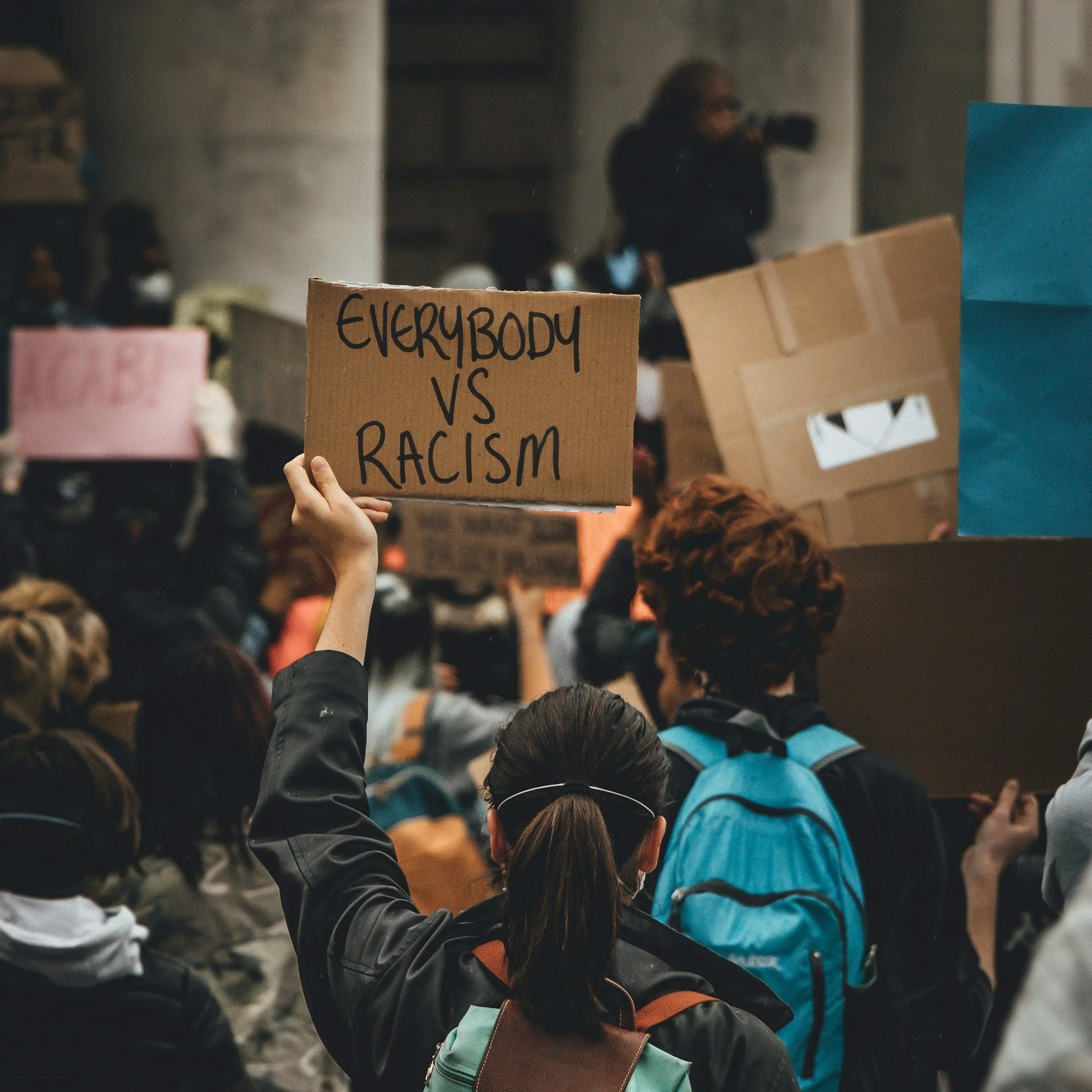
Race-based traumatic stress can lead to symptoms similar to PTSD, including anxiety, hypervigilance, and depression. This stress not only harms individual well-being, but also erodes engagement, productivity, and team cohesion, making it a significant DEI concern .

Internalized racism—the process by which individuals absorb and accept negative societal messages about their own racial group—can have serious consequences in the workplace. Addressing internalized racism calls for systemic change, inclusive leadership, and psychologically safe workplaces where all employees can thrive.